Introduction
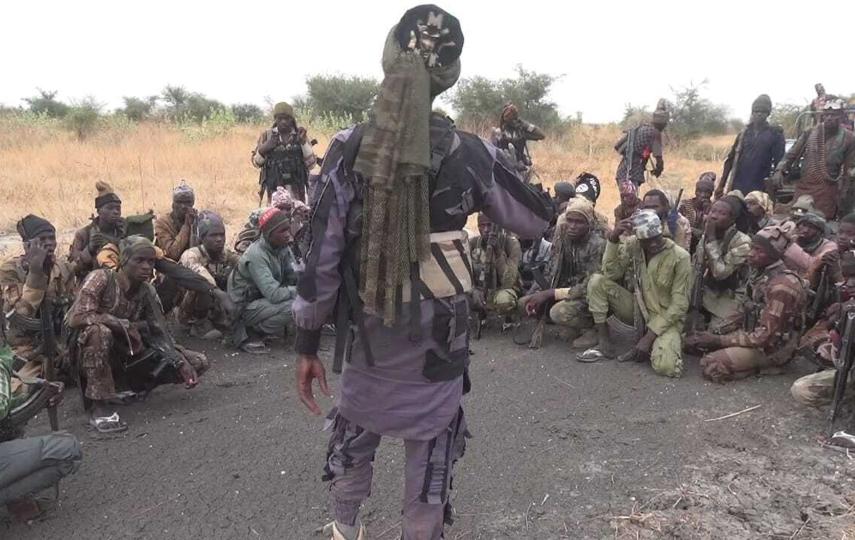
Jihadist groups like Jama’at Nusrat al-Islam wal-Muslimin (JNIM), the primary al-Qaeda affiliate in the region, and the Islamic State Sahel Province (ISSP) have started to focus on establishing complete control over territories which lack governmental authority instead of executing their high-profile attacks which would gain international media coverage. This strategic shift has resulted in a new threat pattern because these groups now control rural and border regions as their primary territories which they govern through shadow governance systems that include taxes and dispute resolution and protection of trade routes to deliver quick justice. This situation has major consequences because it enables the group to maintain territorial control over time while acquiring trust from local communities and using their base to expand into West African nations which include Benin and Togo and Côte d’Ivoire. The jihadists use economic warfare methods which include fuel blockades and route taxation and supply chain disruptions to weaken urban areas and decrease junta control while producing instability effects that endanger trade routes and energy systems and economic centers throughout the Sahel and other regions.
The organization’s main pattern shows that jihadists achieve success in weakly governed fragile regions which experience ethnic conflicts and climate difficulties and security gaps after military coups through their ability to take control of areas which their enemies have abandoned. The period from 2023 until 2024 has seen JNIM and other groups use the security gaps that resulted from French troop withdrawal and MINUSMA peacekeeper exit and Western military presence reduction. They choose to establish their operations in nearby areas instead of spreading themselves too thin through international activities because their main goal requires them to protect transhumance routes and help resolve conflicts between farmers and herders while they seek loyalty and resources through protection offers. The “governance from below” approach helps organizations build their member base by recruiting people who reject state authority because they believe government systems have failed to meet their needs. The economic pressure tactics increase their impact which jihadists use to create fuel and highway shortages that disrupt economic activities and reduce public confidence in governmental authority while citizens turn to different ruling powers for assistance. The southern expansion uses border areas which lack control and protected parks such as W-Arly-Pendjari (WAP Complex) and border area common grievances to create tactical attacks which verify the strength of coastal defenses without launching a full invasion.
The escalating attacks on fuel infrastructure and convoys which operate in western and southern Mali have reached new levels of intensity. The JNIM group has maintained blockades since mid-2025. These blockades have resulted in the destruction of 130 tankers.
The blockades prevented fuel supplies from reaching Bamako, which created a nationwide fuel shortage. The fuel shortage caused schools to close, the electricity system to fail, and food prices to rise. The economic siege operation by the junta uses economic warfare to undermine its political legitimacy.
JNIM moved its operations to southern Benin after conducting high-casualty attacks which resulted in 28 to 54 soldier deaths during the Park W attacks that took place in January and April of 2025. The group uses dense forest corridors and national parks as safe havens which serve their logistics needs, recruitment purposes, and expansion plans.
Cross-border activity in the Benin–Niger–Nigeria tri-border areas began to rise during the 2021–2022 period. The 2024–2025 period will see JNIM launch multiple attacks, which will include dozens of attacks in Benin during 2025 alone. They will
The following three flex points enable organizations to transition from their existing state to an adaptive response through their first detection of operational patterns which enables them to avoid emergency situations while they handle counterterrorism operations for jihadist groups who provide services that governments don’t offer.
Three Ways This Could Liberate Agility
- The organization will achieve its operational goals through predictable operational responses which develop from existing organizational tensions that require monitoring of economic warfare signals which include convoy attacks and taxation reports to implement proactive measures that direct resources away from emergencies and prepare for upcoming operational needs which will allow the organization to handle jihadist threats through predictable network conditions that decrease operational interruptions.
- The organization will achieve its operational goals through predictable operational responses which develop from existing organizational tensions that require monitoring of economic warfare signals which include convoy attacks and taxation reports to implement proactive measures that direct resources away from emergencies and prepare for upcoming operational needs which will allow the organization to handle jihadist threats through predictable network conditions that decrease operational interruptions.
- The organization will achieve its operational goals through predictable operational responses which develop from existing organizational tensions that require monitoring of economic warfare signals which include convoy attacks and taxation reports to implement proactive measures that direct resources away from emergencies and prepare for upcoming operational needs which will allow the organization to handle jihadist threats through predictable network conditions that decrease operational interruptions.
- The organization will achieve its operational goals through predictable operational responses which develop from existing organizational tensions that require monitoring of economic warfare signals which include convoy attacks and taxation reports to implement proactive measures that direct resources away from emergencies and prepare for upcoming operational needs which will allow the organization to handle jihadist threats through predictable network conditions that decrease operational interruptions.
The organization will achieve its operational goals through predictive operational patterns which develop from existing organizational tensions that require continuous monitoring of economic warfare signals throughout the crisis management process to establish upcoming operational requirements which will enable predictable handling of jihadist network operations that lead to decreased training time.
Pakistan faces security threats from Islamic terrorist groups which control borders and territory inside Afghanistan across its entire border with Pakistan.
The Islamic State in Pakistan operates through different strategies because it faces two separate operational environments which affect its methods and goals.
JNIM’s fuel blockades and ISSP’s border probes exemplify this: not flashy global terror, but patient, local dominance that starves capitals, displaces millions, and pressures coastal states.
For operators and investors, the key The proper understanding of market dynamics needs to be executed through trend research which establishes connection between statistical data and price movements while examining market patterns.
Jihadist groups in Sahelian conflict areas have achieved success because they exploit three structural weaknesses which include governance breakdown and community conflict and resource shortages. JNIM’s fuel blockades and ISSP’s border probes exemplify this: not flashy global terror, but patient, local dominance that starves capitals, displaces millions, and pressures coastal states. The essential skill for operators and investors rests in pattern recognition which enables them to perceive consolidation as an ongoing siege instead of seeing it as separate events. The human-centric, ground-grounded view provides understanding of impending disruption through its process which lets people foresee embedded systems and develop corridor solutions and reach out to stakeholders in boundary zones. The region needs military strength to achieve stability but requires both restoration of legitimate security and maintenance of power balance because jihadists provide dignity which states cannot protect. The southward creep continues its progress through each taxed route and each burned tanker.