Introduction
Joint Statement and Diplomatic Reset
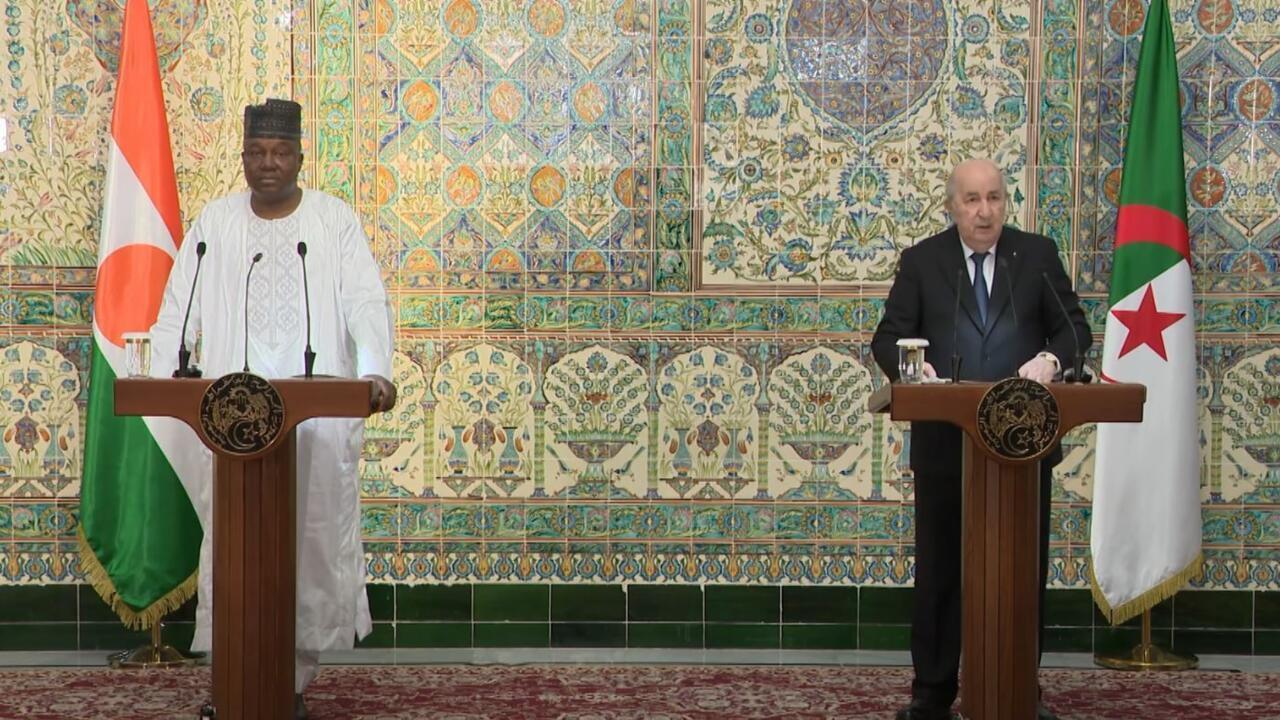
On the diplomatic front, Niger and Algeria recently issued a joint statement signaling a deliberate effort to restore their long-standing brotherhood ties and rebuild a strategic partnership that had waned in recent years. According to reports from Le Monde, the statement highlighted the nations’ mutual commitment to strengthen political, economic, and security collaboration. The move represents a conscious diplomatic reset, as both countries seek to recalibrate their influence within the broader Sahel region, where shifting alliances, coups, and external interventions have reshaped power dynamics since 2020.
The joint statement reflects more than ceremonial diplomacy; it is an attempt by Algeria to reassert a regional leadership role while stabilizing its southern border. The collaboration focuses on mutual economic and energy interests, alongside coordinated security measures aimed at addressing the rise of jihadist threats in northern Niger and Mali. By publicly reaffirming brotherhood ties, Algeria and Niger are signaling to other regional actors that they intend to work in unison, creating an operational framework that blends political diplomacy with strategic coordination.
Why the Sahel Matters Geopolitically
The Sahel’s strategic importance is multifaceted. Beyond being a zone of persistent security challenges, the region functions as a critical geopolitical corridor connecting North Africa, West Africa, and the broader Sahara-Sahel belt. Algeria, historically influential in Sahelian politics, experienced a decline in regional clout between 2020 and 2023 due to internal political instability, domestic coups, and its alignment with the AES (Alliance of Sahel States) organization, which limited Algiers’ unilateral influence.
Rebuilding relations with Niger is thus a critical step for Algeria to recover its former strategic strength. Niger sits at a geographic and political crossroads, linking Algeria with Mali, Burkina Faso, and the broader West African states. By restoring diplomatic and operational ties with Niamey, Algeria gains the ability to influence border security, economic corridors, and anti-jihadist initiatives. This diplomatic reset also allows Algeria to reassert itself in energy and mining cooperation, which are central to the nation’s long-term economic objectives.
The diplomatic thaw signifies an acknowledgment that regional stability is intertwined with Algeria’s national security priorities. A cooperative Algeria-Niger partnership offers a platform to manage cross-border jihadist threats, coordinate migration policies, and strengthen infrastructure projects that link southern Algeria with northern Niger. In doing so, Algeria positions itself as a stabilizing force capable of shaping the Sahelian security and economic environment.
Regional Competition and Strategic Recalibration
The Algerian-Niger diplomatic realignment must be viewed against the backdrop of regional competition. Morocco has actively pursued outreach initiatives in the Sahel, leveraging investment, development programs, and security cooperation to expand its influence. This proactive approach challenges Algeria’s historical dominance and compels Algiers to recalibrate its operations and partnerships to prevent erosion of its influence.
The Algeria-Niger partnership is expected to produce dual strategic outcomes. First, the countries plan to engage in joint energy projects, including electricity infrastructure, natural gas development, and regional transmission networks that strengthen cross-border economic integration. Second, they aim to execute coordinated security operations along their shared border and within vulnerable Sahelian zones. These operations will focus on counterterrorism, border control, and intelligence-sharing mechanisms designed to prevent jihadist expansion and protect critical infrastructure.
Algeria’s strategic interests in this recalibration are clear. Stabilizing its southern frontier is paramount, as instability in Niger or northern Mali could directly threaten Algerian security. By creating coordinated operational frameworks with Niamey, Algiers ensures a buffer against cross-border insurgency, arms trafficking, and uncontrolled migration flows. At the same time, Algeria leverages the relationship to counter external actors, particularly Morocco and the UAE, who have expanded their influence in neighboring Sahel states.
Persistent Tensions with Sahel States
Despite this thaw with Niger, Algeria’s relations with other Sahel states remain tense. Mali, in particular, exhibits an ambivalent stance toward Algerian influence. Historical disagreements, coupled with Algeria’s involvement in Mali’s internal security and political affairs, have created a cautious, often adversarial, relationship. The development of Algeria’s influence in Mali will be incremental, potentially erratic, and subject to resistance from both Malian leadership and local power structures.
These persistent tensions highlight the complexity of Sahelian geopolitics. While Algeria seeks to rebuild trust and cooperation with Niger, its approach toward Mali is constrained by ongoing internal conflicts, competing alliances, and the broader influence of AES-aligned states. Mali’s resistance to external intervention, combined with local insurgent activities, limits Algeria’s ability to implement rapid operational solutions or assert direct control. Consequently, the diplomatic reset with Niger functions as a strategic workaround, providing Algiers with a stable partner in the Sahel while it navigates challenges in Mali.
Broader Strategic Posture
Algeria’s approach to Sahelian geopolitics reflects a combination of pragmatism and long-term strategic calculation. The nation emphasizes “African solution development,” positioning itself as a regional power capable of shaping outcomes through local partnerships rather than solely relying on external actors. This approach allows Algeria to engage with international partners selectively while simultaneously competing against Moroccan, Emirati, and Russian influence in the region.
A significant milestone in this strategy was the visit of Nigerien leadership to Algeria, including key diplomatic figures such as Tiani. This visit established high-level ties between Algiers and Niamey, demonstrating Algeria’s willingness to invest in Sahelian diplomacy despite ongoing regional rivalries. The visit also underscored Algeria’s dual objective: maintaining influence in Sahelian affairs while projecting its capacity to lead cooperative security and economic initiatives that can rival external actors’ efforts.
Through joint projects, intelligence sharing, and coordinated border management, Algeria seeks to consolidate its geopolitical posture while leveraging Niger as a strategic partner. The alignment addresses both immediate security concerns—such as cross-border jihadist threats and migration pressures—and longer-term strategic interests, including energy, mining, and regional development initiatives.
Implications for the Sahel
The Algeria-Niger diplomatic reset carries several broader implications for Sahel geopolitics. First, it signals a potential shift in alliance structures. As Algeria strengthens ties with Niger, other Sahelian states may be compelled to reevaluate their own partnerships, particularly with AES-aligned countries or external actors such as Morocco and Russia. Second, the partnership enhances regional coordination on security, potentially improving counterinsurgency efforts in northern Niger and adjacent Mali regions.
Economically, the thaw opens the possibility of integrated infrastructure projects, including energy grids, transportation corridors, and mining cooperation. These initiatives could create localized stability while providing Algeria with strategic leverage over resource flows and regional trade. Diplomatically, Algeria demonstrates its capacity to recalibrate influence without resorting to coercion, relying instead on shared interests and structured partnerships to regain regional prominence.
However, challenges remain. Security volatility in Mali, unpredictable AES policies, and competing foreign interventions complicate Algeria’s efforts. The success of the diplomatic reset will depend on sustained operational coordination, alignment of economic incentives, and the capacity to manage rivalries both within the Sahel and among external actors seeking influence in the region.
Conclusion
The Algeria-Niger diplomatic thaw represents a strategic recalibration within the Sahel, signaling Algeria’s intent to restore influence, secure borders, and stabilize regional operations. The joint statement and subsequent diplomatic actions serve as a blueprint for coordinated energy, security, and political initiatives designed to counter external influence while addressing local security challenges.
While Algeria faces persistent tensions with Mali and other AES-aligned countries, its strengthened ties with Niger create a platform for regional stability and operational cooperation. By focusing on energy integration, joint security frameworks, and intelligence sharing, Algeria aims to reestablish itself as a pivotal actor in Sahelian geopolitics.
The strategic recalibration also underscores the broader dynamics of the Sahel: regional power struggles, external influence from Morocco, Russia, and the UAE, and the need for African-led solutions. Algeria’s diplomatic efforts with Niger demonstrate that even in a region characterized by coups, insurgencies, and fragmented governance, targeted partnerships can reshape geopolitical influence and provide a pathway toward operational and economic stabilization.
Ultimately, the Algeria-Niger partnership illustrates how diplomacy can function as a force multiplier in a geopolitically complex environment, enhancing regional security, economic integration, and strategic positioning while mitigating the vulnerabilities created by competing external powers. The evolving Sahelian landscape will test the durability of these ties, but the thaw represents a calculated, proactive step toward restoring Algeria’s leadership role and advancing coordinated responses to regional challenges.