Introduction
The Sahel’s gold and uranium sectors have undergone a profound transformation over the past decade. The extraction industries which used to be regarded as high-risk ventures have now become essential resources which support conflict operations and regime maintenance and international power struggles. The present resource conditions in the area show two characteristics which extend beyond basic instability into a complete structural disorder. The risk environment surrounding Sahelian mineral extraction is therefore less cyclical and increasingly permanent, with little realistic prospect of normalization in the near term.
These commodities exist at the point where insurgents obtain funding and authoritarian regimes strengthen their power and countries compete with each other. Gold and uranium in this context have become more than economic resources because they now serve as strategic tools which determine security operations and governmental systems and international relationships throughout the Sahel.
Gold as the Backbone of the War Economy
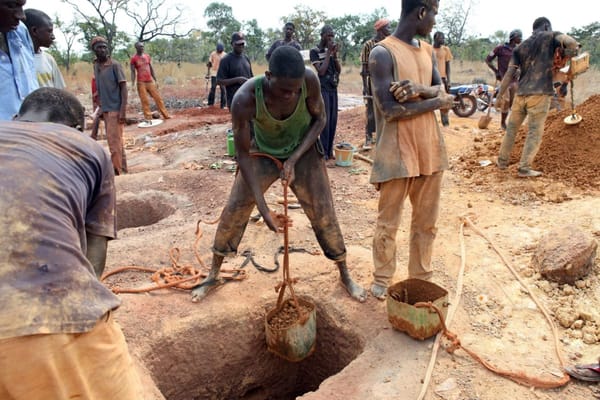
Gold has become the main source of financial support for both insurgent groups and military governments throughout central Sahel. The war economy of Mali and Burkina Faso operates through the establishment of artisanal mining zones which function as essential parts of their conflict economy. Armed groups utilize these areas as both financial resources and governance territories where they enforce regulations and collect taxes and oversee business operations.
The terrorist organizations have established their power through direct control over the artisanal mining industry which they control through their JNIM and IS-Sahel operations. The organization controls all of its operational channels by using its resources to regulate content distribution throughout its various distribution channels. The groups maintain mining control through their power to grant mining site access which enables them to regulate worker activities and build security systems that work as independent control centers.
Insurgent groups which currently occupy their territories have created a dual operational system which requires miners to work under two different systems in multiple communities. The authority creates official rules which they use to resolve disputes while charging fees for both security protection and their continuing operational activities. When local populations face economic hardship they choose to remain in their current situation because they believe it represents their only option for survival without government assistance.
Military conflicts in the area now consider gold mining activities to be a fundamental component of their ongoing struggle. The mining operations have become an essential element of the system which supports armed groups while it continues to maintain social unrest in the region.
Supply Chain Disruption and Strategic Control
The insurgent groups have shifted their strategy to target supply chains although they still conduct direct attacks on mining locations. The terrorists achieve better results through blockades and road interdictions and logistical disruptions than they do through attempting to capture mining operations.
Artisanal mining operations require essential resources which these tactics aim to destroy. The insurgents use their control of transport routes and informal checkpoints to create situations that make mining operations more expensive for miners. Miners develop relationships with militant groups to obtain safety and transportation support because their production expenses increase and their business operations become unpredictable.
The insurgents have established their presence as a permanent part of the mining industry through this arrangement. Armed groups control the operational conditions which affect mining projects because they go beyond revenue extraction from existing operations. The system creates an environment where insurgent control extends throughout the complete production process which includes labor management and transportation systems.
Transnational smuggling serves as another essential element that operates within this system. Gold extracted in unstable Sahelian regions often enters regional trade routes that eventually connect to markets in the Gulf. These networks enable large-scale money laundering that obscures the origins of gold while allowing insurgent groups to convert raw production into financial resources.
The informal trade reaches such extensive levels that it creates challenges for national governments to conduct enforcement operations against it while international regulators face similar difficulties. Once gold enters global supply chains, tracing its origin becomes difficult, allowing conflict-linked minerals to blend seamlessly into legitimate markets.
State Intervention and the Limits of Resource Control
Sahelian governments have attempted to restore their control over mineral revenues through their implementation of new institutional frameworks and their establishment of regulatory changes. The government has implemented mining code changes which include new taxation systems and national refinery construction projects to boost domestic value creation.
The policies which governments implement usually lead to results which they did not plan to achieve. The introduction of tougher regulations leads businesses to operate more in covert markets according to many situations. Artisanal miners choose to work outside the official system because they face enforcement challenges from new tax and licensing rules.
Resource governance strategies require partnerships with outside organizations which include companies connected to Russia. The partnerships commonly provide technical backing for refining operations security support for mining site facilities and financial backing for extraction initiatives.
The initiatives increase government revenues but they do not succeed in stopping illegal financial activities. The resource control system creates political conflicts because it gives state-owned networks control over critical resources. The political system of unstable governments becomes more difficult to govern through resource control.
The Sahelian governments attempts to recover resource revenues from mining operations end up maintaining the existing instability of mining operations instead of achieving transparency and economic stability which lasts.
Uranium and Global Strategic Competition
The energy markets in the Sahel determine uranium mining activities through Niger while insurgents control specific territories. Niger possesses important uranium reserves which have supported international nuclear fuel supply networks since ancient times because the nation has become one of the world leading uranium producers. The current political situation has changed the resource management situation. The new authorities after the 2023 Niger coup established a resource sovereignty approach which enables them to control resource extraction. The nationalization process involved the government taking control of specific operations while they revoked exploration permits and renegotiated contracts with foreign companies. The decisions represent a major shift in Niger’s strategic direction because the country aims to establish new international alliances. The government has been investigating partnerships with Russia and China for economic and security reasons instead of depending on Western mining companies. The legal protections which foreign investors depend on in this situation do not function effectively because investors cannot enforce their rights through International Centre for Settlement of Investment Disputes arbitration mechanisms. People who hold power in the political system usually disregard the security measures established through formal contracts.
Transport and Security Vulnerabilities
The complete uranium supply chain faces extra dangers which arise from both the transport process and the lack of transparent governance after extraction operations have reached their secure physical state. Safe transport routes need to exist for uranium shipments which move through remote mining locations toward international markets. The export process suffers from multiple problems which create delays for shipments and raise insurance expenses while introducing unpredictability to energy markets which rely on dependable product deliveries. The procedures which control uranium stockpile management and export agreement operations have developed into a more complicated process. International regulatory bodies encounter monitoring difficulties because non-transparent sales practices and shifting political relationships create obstacles for their tracking activities. Safety concerns also persist. Strict environmental and radiological protection measures must exist for uranium extraction operations while fragile states face challenges because their monitoring systems lack required capacity for sustained regulatory enforcement. The supply chain problems together with environmental management issues create widespread environmental risks which require immediate attention.
The Resource-Security Feedback Loop
The modern Sahelian conflict environment operates through a self-reinforcing resource-security cycle which has gold and uranium as its central elements. The system operates through a feedback mechanism which creates a continuous cycle of events. The presence of insecurity in a nation diminishes its governance capacity which causes governments to lose their power to manage economic operations. The presence of weak governance systems enables illegal extraction networks to operate in remote areas where governmental control is weak.
The activities produce revenues which insurgent groups and ruling elites use as their funding source. Armed organizations use resource income to recruit fighters and acquire equipment, while governments rely on mineral revenues to sustain political authority and military operations. The strategic value of these goods creates an economic attraction which draws international attention. External actors seeking access to resources often provide security assistance or political support to local regimes. The underlying governance problems which create instability in the region receive no solution through international intervention.
The existing power structures receive unintentional reinforcement from foreign engagement while it fails to solve territorial insecurity which enables illegal resource extraction to occur.
Conclusion
The gold and uranium industries of the Sahel demonstrate how natural resource extraction establishes lasting ties to armed conflict instead of driving economic growth. The two commodities exist under permanent danger because of ongoing insurgent activities and unstable political conditions and international power struggles.
Insurgent groups use gold to fund their operations while uranium has become an essential resource for international energy and diplomatic talks. The two resources create a system of resource security because ongoing conflicts lead to resource extraction while resource extraction creates new conflicts.
The situation provides policymakers and investors and security analysts with a critical insight because Sahelian resource sectors will remain unstable until authorities adopt both economic and regulatory solutions. The ongoing extraction of gold and uranium will continue to destabilize the region until authorities achieve fundamental enhancements in governance and security and regional collaboration